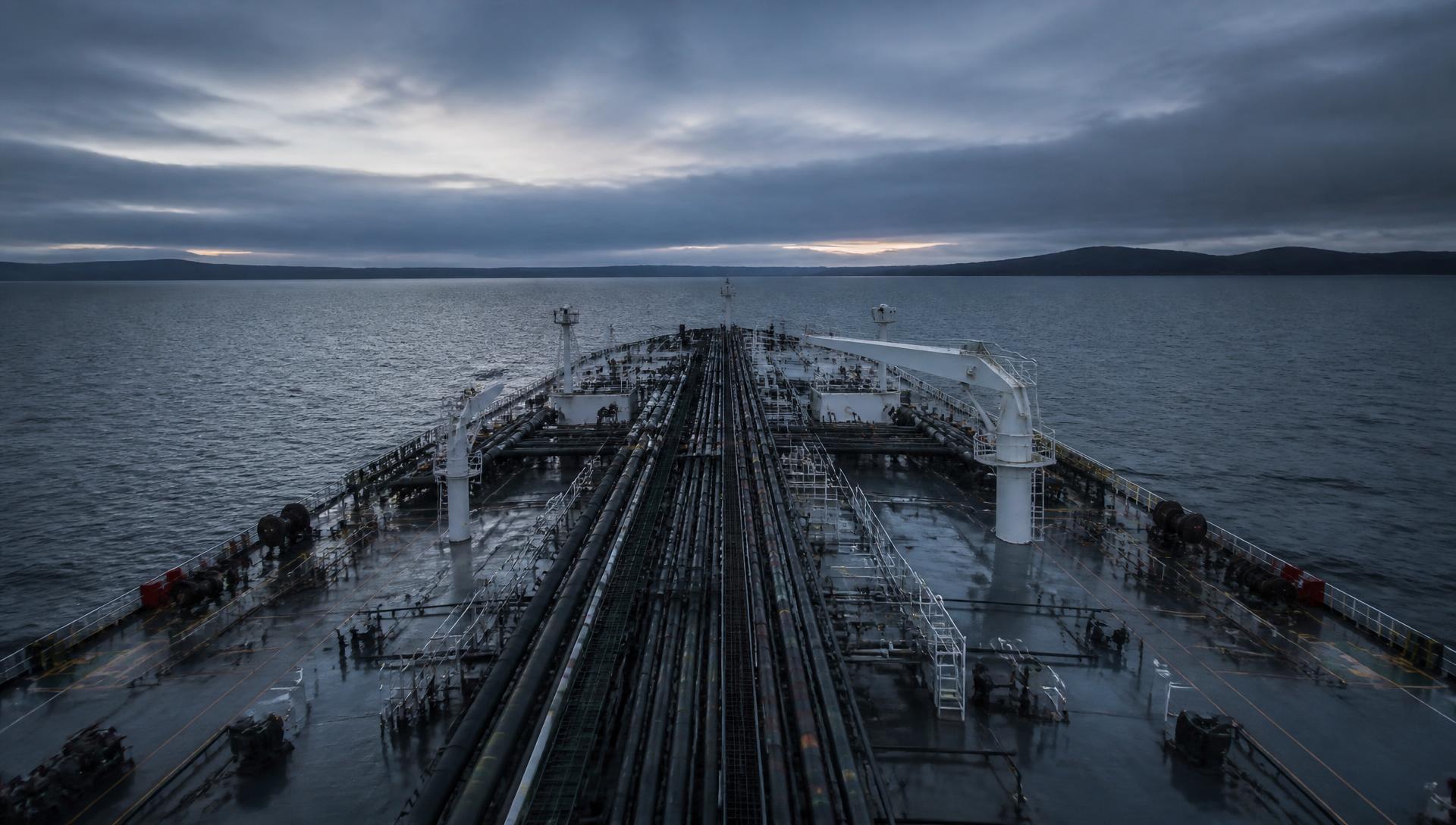
Maxel Marine supports tanker owners and operators with independent gap analyses, navigational assessments, and audits ahead of vetting inspections — so findings are addressed before they reach an inspector's report.
Live observation of bridge practice during passage, pilotage, and berthing.
Desk-based review of passage plans, charts, and navigational records and certificates.
Inspection of mooring equipment, line management, and operational procedure.
Maxel Marine is an Independent Marine consulting and audit consultancy, working with tanker owners and operators to prepare vessels ahead of formal vetting inspections. We look at the same material an inspector will — management systems, navigational practice, mooring operations, and vessel condition — and report it back plainly, with enough lead time to close the gaps.
We work across a small number of focused services — gap analysis, navigational assessment, mooring audits, and related condition and management system audits.
Each service below can be commissioned individually or combined ahead of a vetting or charterer inspection window.
An assessor observes bridge team performance during an actual passage, pilotage, or berthing/unberthing operation.
An office- and vessel-based review of passage plans, chart correction status, certificates, and navigational records.
Inspection of mooring equipment condition, line management practice, and adherence to mooring procedures.
Visual review of hull, deck, and machinery condition against class and flag expectations.
Review of ISM/ISPS-aligned procedures and how consistently they are applied on board.
A supercargo advising ship and shore through planning, organizing, leadership and control of a tank cleaning operation, monitored remotely rather than attended in person.
Route and passage advice for vessels operating in ice-affected waters, drawing on ice charts, forecasts, and the vessel's own ice class and manoeuvring characteristics.
A dynamic navigational assessment (DNA) is conducted live — an assessor joins the bridge during an actual passage, pilotage, or berthing/unberthing operation and observes how the bridge team actually works together, rather than reviewing it after the fact on paper.
Findings are recorded against observed behaviour, not assumptions, and are compiled into a short report highlighting strengths and areas for reinforcement ahead of a charterer or vetting inspection.
A static navigational assessment (SNA) is a desk- and vessel-based review of the records that underpin navigational practice, independent of any specific passage in progress.
This assessment is typically paired with a Dynamic Navigational Assessment to give a complete picture — what the records say, and what actually happens on the bridge.
A mooring audit examines equipment condition, crew practice, and procedure together — mooring remains one of the higher-risk routine operations on a tanker, and gaps here are rarely visible from paperwork alone.
Beyond navigation and mooring, Maxel Marine offers focused audits covering the physical condition of the vessel and how consistently its management systems are applied on board.
A visual review of hull, deck, and machinery spaces against class and flag expectations, identifying maintenance items before they surface at inspection.
A review of ISM/ISPS-aligned procedures against actual shipboard practice — checking that documented processes are the ones crew are actually following.
A short-notice, combined review across navigation, mooring, and condition — typically requested in the days before a scheduled vetting inspection.
A check of vessel equipment and procedures against a specific terminal's mooring and manifold compatibility requirements ahead of a call.
Remote tank cleaning is a revolutionary service, unique to Maxel Marine, built to improve cleaning results while keeping costs under control. It is carried out through distant monitoring — using today's high-tech communication and tank-test systems already on board — with a supercargo advising throughout every stage of the cleaning management process.
The supercargo works with ship and shore management to select the right tank cleaning equipment and chemicals, and to draw up a detailed cleaning plan well ahead of discharge.
Liaising with the operator and master to align deck, crew, and cleaning plant and machinery for the operation, including a Gantt-style timeline the ship can work to.
Liaising with the master and operator, advising them during the implementation phase of the cleaning.
Cleaning results are monitored and interpreted using digital photography and spectrophotometry across visible and UV ranges, positioning the vessel to pass load-port visual and wallwash surveys. Graphing supports a post-voyage review of cleaning performance.
Maxel Marine provides route and passage advice for vessels operating in or approaching ice-affected waters, combining current ice charts and forecasts with the vessel's own ice class, hull condition, and manoeuvring characteristics.
This service supports the master's own decision-making — it does not replace the master's authority or judgment on scene.
Send vessel particulars, the service you need, and the port or window you're working with — we'll confirm availability and next steps.
Ljubljana, Slovenia
Enquiries are answered within one business day. Short-notice pre-vetting readiness audits can often be arranged within 48 hours.